


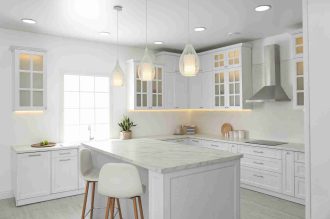

Quartzite Varieties Guide (2026): Rare, Exotic & Popular Quartzite Colors for Luxury Countertops

Quartzite has become one of the most sought-after natural stones in luxury home design—and for good reason. Combining the dramatic beauty of natural stone with exceptional durability, quartzite offers homeowners a premium surface that performs as beautifully as it looks. From elegant white slabs with subtle veining to bold exotic varieties featuring vibrant blues, greens, golds, and even purple tones, quartzite offers virtually endless design possibilities.
Most homeowners are already familiar with popular varieties like Taj Mahal Quartzite, Sea Pearl Quartzite, and White Macaubas Quartzite. However, these represent only a small portion of the incredible diversity found in nature. Around the world, geological conditions have created hundreds of quartzite varieties, each with its own mineral composition, color palette, crystal structure, and unique visual movement.
If you’re planning a luxury kitchen renovation using quartzite countertops, bathroom remodel, or statement feature wall, understanding the differences between quartzite varieties can help you select a slab that perfectly matches your home’s style while offering decades of performance.
In this comprehensive guide, you’ll learn how quartzite forms, why every slab is unique, what makes certain varieties rare, and which quartzite colors are becoming increasingly popular in luxury homes throughout Virginia, Maryland, and Washington, DC.

Why Quartzite Continues to Rise in Popularity
Natural stone trends have evolved significantly over the last decade. While granite remains a timeless favorite and engineered quartz continues to dominate low-maintenance kitchens, quartzite has quietly become the material of choice for architects, interior designers, and homeowners seeking something truly distinctive.
Unlike engineered materials that are manufactured to achieve visual consistency, quartzite celebrates nature’s imperfections. Every slab tells its own geological story through flowing veins, crystalline textures, dramatic movement, and naturally occurring color variations that cannot be replicated.
This uniqueness has made quartzite especially desirable in luxury custom homes, where homeowners increasingly prefer one-of-a-kind materials over mass-produced surfaces.
Quartzite also delivers outstanding real-world performance. Because it forms under tremendous heat and pressure deep beneath the Earth’s surface, it becomes one of the hardest natural stones available for residential applications. Many varieties offer exceptional scratch resistance, impressive heat resistance, and excellent long-term durability when properly fabricated and maintained.
Today, quartzite is no longer reserved only for luxury kitchen countertops. Designers frequently specify it for:
- Waterfall kitchen islands
- Full-height backsplashes
- Bathroom vanity tops
- Feature walls
- Fireplace surrounds
- Bar tops
- Dining tables
- Outdoor kitchens (selected varieties)
Its versatility, combined with breathtaking natural beauty, explains why quartzite has become one of the fastest-growing premium countertop materials in modern home design.
What Makes Quartzite So Unique?
Unlike many countertop materials, quartzite is entirely created by nature over millions of years. Every slab represents a unique combination of geological forces, mineral deposits, temperature changes, and immense pressure. No manufacturing process can duplicate the complexity found in genuine natural quartzite.
Although many homeowners confuse quartzite with engineered quartz because of their similar names, they are fundamentally different materials. If you’re unsure about the differences, read our detailed guide comparing how quartz countertops are made.
Quartzite begins its life as sandstone. Over millions of years, the sandstone is buried deep within the Earth’s crust where extreme heat and pressure cause the quartz grains to recrystallize. The result is a dense metamorphic stone with remarkable hardness and beautiful crystalline structures.
During this transformation, trace minerals become trapped within the stone. These minerals are responsible for the spectacular colors and movement seen in today’s quartzite slabs.
Depending on where the stone formed, quartzite may feature:
- Soft flowing white veining
- Golden and beige movement
- Deep charcoal accents
- Ocean-inspired blue crystals
- Emerald green mineral deposits
- Rust, burgundy, or copper highlights
- Large translucent quartz crystals
This natural variation is precisely what makes quartzite so appealing. Rather than purchasing a perfectly uniform surface, homeowners receive a one-of-a-kind piece of Earth’s geological history.
For luxury residential projects, this exclusivity adds significant design value. Even two slabs cut from the same quarry often display noticeably different veining patterns, ensuring that every installation is genuinely unique.

How Quartzite Colors and Patterns Are Formed
One of the most fascinating characteristics of quartzite is the incredible diversity of its colors and patterns. While white and gray quartzite varieties remain the most recognizable, nature has produced an astonishing spectrum ranging from soft ivory and warm gold to vibrant blues, greens, reds, and even purple tones.
For readers interested in the geological science behind quartzite formation, the U.S. Geological Survey (USGS) provides extensive educational resources on rocks, minerals, and Earth’s geological processes.
These variations are not artificial. They are the direct result of millions of years of geological activity occurring deep beneath the Earth’s surface. Several natural factors work together to determine how each quartzite slab eventually appears.
Mineral Composition
Quartzite consists primarily of quartz crystals, but it also contains varying amounts of minerals such as feldspar, mica, iron oxides, garnet, graphite, chlorite, and other trace elements. These mineral inclusions influence both the color palette and the overall movement throughout each slab.
For example:
- Iron oxides often create warm gold, rust, or reddish tones.
- Chlorite may introduce soft green coloration.
- Graphite contributes dark gray or black veining.
- Mica crystals produce shimmering reflective surfaces.
- Feldspar can create creamy beige or ivory backgrounds.
The Metamorphic Process
Quartzite forms when sandstone is subjected to immense heat and pressure over millions of years. During metamorphism, individual quartz grains recrystallize and fuse together into an extremely dense stone. The intensity and duration of this transformation directly affect the final appearance of the slab.
Some quartzite deposits experience relatively uniform metamorphism, resulting in calm, elegant patterns. Others undergo multiple geological events that create dramatic movement, bold veining, and highly exotic visual effects.

Grain Size and Crystal Structure
Not all quartzite has the same texture. Some varieties contain very fine quartz crystals that create a smooth, consistent appearance, while others feature larger interlocking crystals that produce bold visual depth and shimmering light reflection.
Fine-grained quartzite is often exceptionally dense and durable, making it an excellent choice for high-use kitchen countertops. Coarser-grained varieties, on the other hand, frequently display more dramatic character and movement that designers value in statement installations.
Geological Environment
The environment in which quartzite originally formed also plays a major role in its appearance. Geological conditions vary significantly from one region of the world to another, resulting in distinctive stone characteristics unique to specific quarries.
For example, quartzite quarried in Brazil often exhibits flowing movement and vibrant exotic colors, while stones from other regions may display softer neutrals or more uniform crystal structures.
Natural Mineral Inclusions
Many of the world’s most desirable quartzite varieties owe their beauty to naturally occurring mineral inclusions. Rather than being flaws, these inclusions create striking contrasts, translucent crystal pockets, metallic reflections, and dramatic veining that cannot be replicated by engineered materials.
These natural characteristics are one of the primary reasons why premium quartzite slabs are considered works of art rather than simply building materials.
Additional mineral identification resources are available through the Mindat Mineral Database, one of the world’s largest public mineral references.
Millions of Years of Geological Change
Throughout their formation, quartzite deposits are influenced by tectonic movement, groundwater activity, mineral-rich fluids, pressure changes, and erosion. These geological events leave lasting signatures within the stone, producing the spectacular patterns that make exotic quartzite so highly valued today.
Because no two geological histories are identical, no two quartzite slabs are exactly alike. If you enjoy learning how natural stones form, you may also like our guide: Where Does Granite Come From? This remarkable individuality is one of the defining characteristics that continues to make quartzite one of the most prestigious natural stones available for luxury residential design.
Popular Quartzite Varieties Used in Luxury Homes
While exotic quartzite often steals the spotlight, the majority of luxury kitchens and bathrooms are built around a handful of timeless quartzite varieties. These stones combine exceptional durability with elegant colors that complement a wide range of architectural styles. If you’re beginning your countertop selection process, these are excellent places to start before exploring more unusual options.
If you’re still deciding whether quartzite is the right material for your project, we also recommend reading our Ultimate Kitchen Countertop Buying Guide, where we compare quartzite with granite, quartz, porcelain, marble, and other popular countertop materials.
Taj Mahal Quartzite
Taj Mahal Quartzite remains one of the most requested natural stones in North America. Despite its soft appearance, it is genuine quartzite—not marble—and offers excellent durability for busy kitchens.
Its warm ivory background, delicate beige veining, and timeless elegance make it ideal for homeowners seeking a luxurious yet understated design. Taj Mahal pairs beautifully with natural oak cabinetry, warm white kitchens, brass fixtures, and transitional interiors.
Although many homeowners mistakenly search for “Taj Mahal Granite,” it is actually a premium quartzite.

Sea Pearl Quartzite
Sea Pearl Quartzite has become increasingly popular for contemporary homes because of its calming color palette. Featuring subtle gray, white, silver, and soft green movement, it creates a sophisticated yet relaxed atmosphere.
Its understated elegance makes it particularly suitable for open-concept kitchens where homeowners prefer clean, minimalist aesthetics without sacrificing natural character.

Cristallo Quartzite
Cristallo Quartzite is among the most luxurious quartzite varieties available today. What makes it exceptional is its translucency. Certain slabs allow light to pass through portions of the stone, making backlit installations possible.
Designers frequently use Cristallo for:
- Luxury waterfall islands
- Backlit feature walls
- Statement bar tops
- Executive office conference tables
- High-end bathroom vanities
Few natural stones create such dramatic visual impact while maintaining the durability expected from quartzite.

Mont Blanc Quartzite
Mont Blanc Quartzite is admired for its elegant white background accented with flowing gray veins that resemble marble. Unlike marble, however, it offers significantly greater scratch resistance and durability for everyday use.
It is frequently selected for modern kitchens, luxury bathrooms, and waterfall islands where homeowners desire a clean, bright appearance with natural movement.

White Macaubas Quartzite
White Macaubas Quartzite features long, linear gray veining that creates a sophisticated architectural look. Rather than dramatic swirling movement, its directional pattern provides visual consistency across large kitchen islands and full-height backsplashes.
This variety works exceptionally well in contemporary and minimalist homes where clean lines are an important design element.

Fantasy Macaubas Quartzite
Fantasy Macaubas offers a more artistic appearance than White Macaubas. Its flowing blue-gray movement creates an almost watercolor effect, making each slab feel like a natural painting.
Because every slab displays unique movement, homeowners often choose Fantasy Macaubas for large kitchen islands where the stone itself becomes the focal point of the space.

Rare & Exotic Quartzite Varieties
Although classic quartzite colors remain timeless, many homeowners today are looking for something more distinctive. Rare quartzite varieties showcase extraordinary mineral formations, bold color combinations, and dramatic movement that immediately become the centerpiece of a room.
Because these stones occur less frequently in nature, availability can vary considerably from one shipment to another. If you fall in love with a particular slab, it’s generally recommended to reserve it early, as no identical replacement may exist.
Some quartzite varieties are also suitable for exterior applications. If you’re planning an outdoor entertaining space, don’t miss our guide to Outdoor Kitchen Countertops.
Jasper Quartzite
Jasper Quartzite is recognized by its striking combination of deep red, earthy brown, and muted green tones. Rich mineral deposits create bold visual movement, making this variety ideal for homeowners seeking warm, dramatic interiors.
It pairs particularly well with walnut cabinetry, bronze fixtures, and rustic luxury kitchens.

Citrine Quartzite
Inspired by the gemstone of the same name, Citrine Quartzite displays luminous golden-yellow hues accented by warm beige and honey-colored movement. Iron-rich mineral deposits create its inviting color palette.
Its warm appearance makes it an excellent choice for kitchens designed around natural wood finishes and soft neutral palettes.

Amethyst Quartzite
Amethyst Quartzite is one of the rarest decorative quartzite varieties available. Characterized by beautiful violet, lavender, and purple mineral tones, it immediately creates a luxurious focal point.
Rather than covering an entire kitchen, designers often use Amethyst Quartzite for:
- Luxury bathroom vanities
- Feature walls
- Bar tops
- Reception desks
- Custom furniture
Its gemstone-inspired appearance also complements the growing popularity of luxury stone interiors. If you enjoy colorful natural stones, you may also like our guide to Gemstone Countertops & Semi-Precious Stone Surfaces.
Tiger’s Eye Quartzite
Tiger’s Eye Quartzite combines shimmering gold, brown, and amber mineral formations that appear to shift under changing light. The result is a dynamic surface unlike almost any other natural stone.
It is often selected for high-end home bars, executive offices, and statement kitchen islands where visual impact is the primary goal.

Bloodstone Quartzite
Bloodstone Quartzite features dramatic green backgrounds highlighted by rich burgundy and deep red mineral deposits. This bold combination creates an unmistakable statement surface that immediately attracts attention.
Although not suitable for every interior style, Bloodstone Quartzite performs beautifully in luxury homes that embrace dramatic architectural design.

Patagonia Quartzite
Patagonia Quartzite is widely regarded as one of the world’s most spectacular natural stones. Massive translucent quartz crystals appear suspended within dramatic patterns of white, gold, black, and gray minerals.
Many designers specify Patagonia for bookmatched walls, oversized waterfall islands, and illuminated feature installations because every slab resembles a piece of abstract artwork.

Blue Roma Quartzite
Blue Roma Quartzite has quickly become one of the most recognizable designer stones thanks to its flowing combination of blue, gold, white, and gray movement. Every slab exhibits extraordinary artistic patterns that make it impossible to duplicate.
Its luxurious appearance works exceptionally well in contemporary kitchens where the countertop serves as the room’s primary focal point.

Fusion Quartzite
Fusion Quartzite lives up to its name by blending multiple colors into a single dramatic surface. Shades of emerald green, rust, charcoal, gold, and white flow together through sweeping natural movement created over millions of years.
Because of its bold personality, Fusion Quartzite is often reserved for statement applications where homeowners want to showcase nature’s artistry.

Rare Quartzite Color Guide
Although every quartzite slab is unique, most varieties can be grouped into several broad color families. Understanding these categories makes it easier to narrow your search before visiting a showroom.
| Color Family | Popular Varieties | Best Interior Styles |
|---|---|---|
| White | Taj Mahal, Mont Blanc, White Macaubas | Modern, Transitional, Scandinavian |
| Beige & Gold | Citrine, Taj Mahal, Cristallo | Warm Contemporary, Classic Luxury |
| Blue | Blue Roma, Fantasy Macaubas | Luxury Contemporary |
| Green | Fusion, Bloodstone | Organic Modern, Nature Inspired |
| Purple | Amethyst Quartzite | Luxury Statement Interiors |
| Multicolor | Patagonia, Fusion | High-End Custom Homes |
Remember that natural quartzite never follows a predictable pattern. The slab you choose will always be unique, which is why viewing the full slab before fabrication is strongly recommended.
If you’re comparing quartzite with other premium natural stones, our 2026 Granite Color Guide is another excellent resource for exploring timeless countertop options.
How to Choose the Right Rare Quartzite for Your Project
Choosing a rare quartzite slab is different from selecting more common countertop materials. Since every slab is naturally unique, availability, color variation, veining, and overall movement can vary significantly—even within the same quartzite family.
If you’re investing in an exotic quartzite countertop, keep the following factors in mind before making your final selection.
1. View the Full Slab Instead of a Small Sample
Unlike engineered materials, quartzite is a natural stone formed over millions of years. Small samples rarely represent the dramatic veining and movement found across an entire slab. Whenever possible, visit a showroom to hand-select your slab.
2. Consider the Overall Design Style
Each exotic quartzite creates a completely different atmosphere.
- Soft, elegant interiors: Taj Mahal, White Macaubas, Perla Venata
- Bold luxury kitchens: Patagonia, Cristallo, Blue Roma
- Modern contemporary spaces: Infinity White, Mont Blanc
- Dramatic statement interiors: Fusion, Emerald, Blue Fusion
The countertop should complement your cabinetry, flooring, backsplash, wall colors, and lighting rather than compete with them.
3. Think Beyond Color
Many homeowners focus primarily on color, but movement and veining often have an even greater visual impact. Some quartzites feature subtle linear patterns, while others contain dramatic flowing veins, translucent crystal formations, or bold mineral deposits that become the centerpiece of the room.
4. Consider the Finish
The same quartzite can look dramatically different depending on its finish.
| Finish | Appearance | Best For |
|---|---|---|
| Polished | Glossy, reflective, vibrant colors | Luxury kitchens |
| Honed | Soft matte appearance | Contemporary interiors |
| Leathered | Textured, natural look | Organic and rustic designs |
5. Choose an Experienced Fabricator
Exotic quartzites often contain dramatic veining that requires careful planning during fabrication. A skilled fabricator can align waterfall edges, bookmatched islands, backsplashes, and seams so the natural beauty of the stone is preserved throughout the project.
Proper fabrication is just as important as selecting the right slab. The Natural Stone Institute also recommends working with experienced natural stone fabricators to ensure proper handling, cutting, and installation of premium stone surfaces.
Why Homeowners Choose Rare Quartzite Countertops
Rare quartzite has become increasingly popular among luxury homeowners, architects, and interior designers because it offers something that manufactured materials simply cannot replicate.
- Every slab is naturally one of a kind
- Exceptional scratch resistance
- Excellent heat resistance
- Suitable for kitchens, bathrooms, fireplaces, bars, and feature walls
- Adds significant visual impact and luxury appeal
- Can increase perceived home value in premium renovations
For homeowners looking to create a truly custom kitchen, exotic quartzite often becomes the defining design feature of the entire space.
Related Reading: If you’re still comparing countertop materials, read our complete Ultimate Kitchen Countertop Buying Guide to understand how quartzite compares with granite, marble, porcelain, and quartz.
Visit Landmark Surfaces to Explore Rare Quartzite Slabs
Photographs only tell part of the story. The true beauty of exotic quartzite can only be appreciated by viewing full slabs in person.
At Landmark Surfaces, homeowners, designers, and builders can explore one of the largest selections of premium natural stone in Virginia, Maryland, and Washington, DC. Our inventory frequently includes both timeless favorites and rare, limited-availability quartzite slabs sourced from around the world.
Our experienced team will help you:
- Select the right quartzite for your project
- Compare colors, finishes, and movement
- Choose slabs for waterfall islands and bookmatching
- Coordinate fabrication and professional installation
- Receive expert guidance from design through installation
Frequently Asked Questions
Is quartzite rare?
Quartzite itself is relatively common, but certain varieties with unusual colors, dramatic veining, or translucent crystal formations are considered rare and are produced in limited quantities.
What is the rarest quartzite?
Some of the rarest quartzites include Patagonia, Cristallo, Blue Roma, Emerald Quartzite, and Blue Fusion Quartzite due to their limited quarry production and distinctive appearance.
Are exotic quartzite countertops more expensive?
Yes. Exotic quartzites generally cost more than standard varieties because of limited availability, international sourcing, transportation costs, and increased fabrication complexity.
Is quartzite better than granite?
Both materials are excellent natural stones. Quartzite generally offers a more luxurious appearance and marble-like aesthetics, while granite provides outstanding durability and a broader range of pricing options.
Does quartzite need sealing?
Yes. Most quartzite countertops benefit from periodic sealing to help resist staining and maintain their appearance over time.
Can quartzite be used outdoors?
Yes. Natural quartzite offers excellent UV resistance and performs well in outdoor kitchens when properly installed and maintained.
Where does exotic quartzite come from?
Many premium quartzites are quarried in Brazil, Italy, India, and other regions with unique geological formations that produce distinctive colors and patterns.
How do I know if a quartzite slab is genuine?
Purchase from a reputable natural stone supplier that clearly identifies the material and allows you to inspect the full slab before fabrication.
Conclusion
Rare quartzite represents one of nature’s most spectacular creations. From dramatic blue crystals and emerald-green veining to warm golden tones and translucent white surfaces, these extraordinary stones allow homeowners to create kitchens and bathrooms unlike any other.
Whether you’re drawn to the elegance of Cristallo, the bold character of Patagonia, or the striking movement of Fusion Quartzite, selecting an exotic natural stone transforms a countertop into a true architectural centerpiece.
If you’re planning a luxury kitchen or bathroom renovation in Virginia, Maryland, or DC, visit one of Landmark Surfaces’ showrooms to explore our extensive collection of premium quartzite slabs and discover the perfect stone for your project.
Editorial Note: Some illustrative images in this article were created using AI to help visualize design concepts, countertop materials, and interior applications. Product availability, natural stone patterns, and slab characteristics may vary. We recommend viewing actual slabs in person before making a final selection.
